Why is Cannabis so Sticky!?
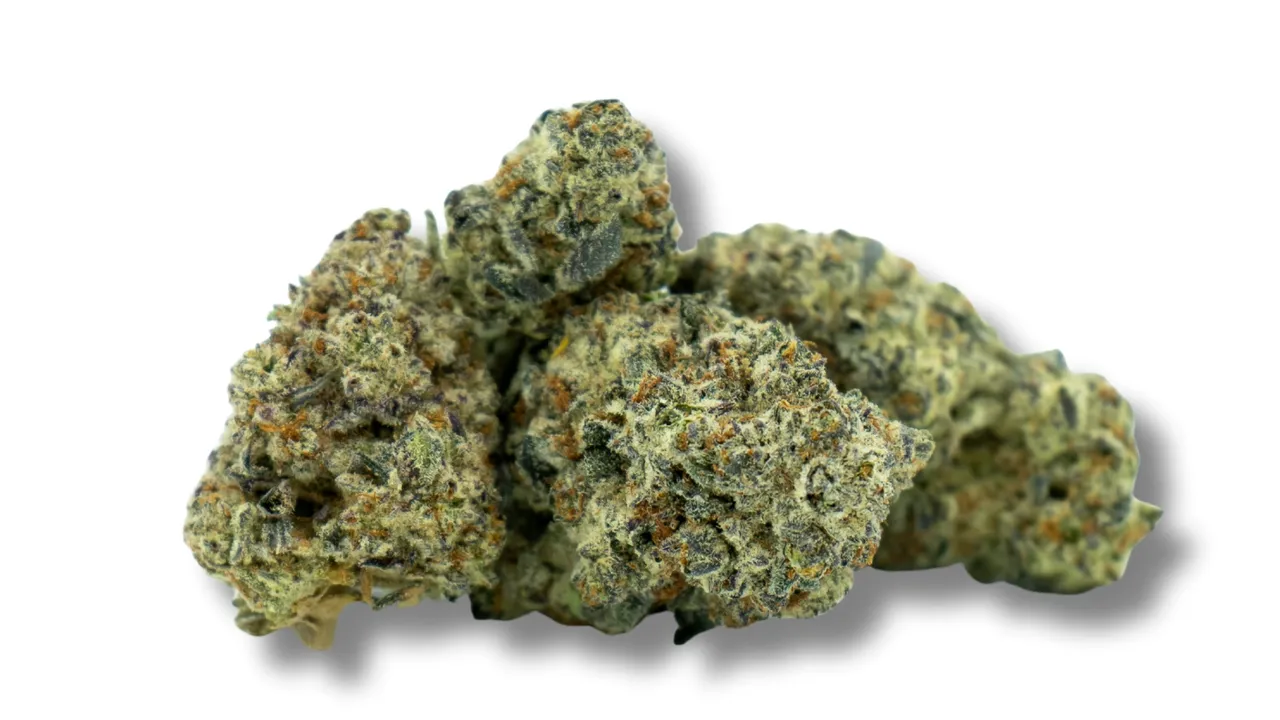
Have you ever broken apart a fresh nug and ended up with fingers stickier than a nightclub floor? Congratulations! You’ve just met one of cannabis's most interesting features.
Meet Trichomes: Tiny Factories of Goodness
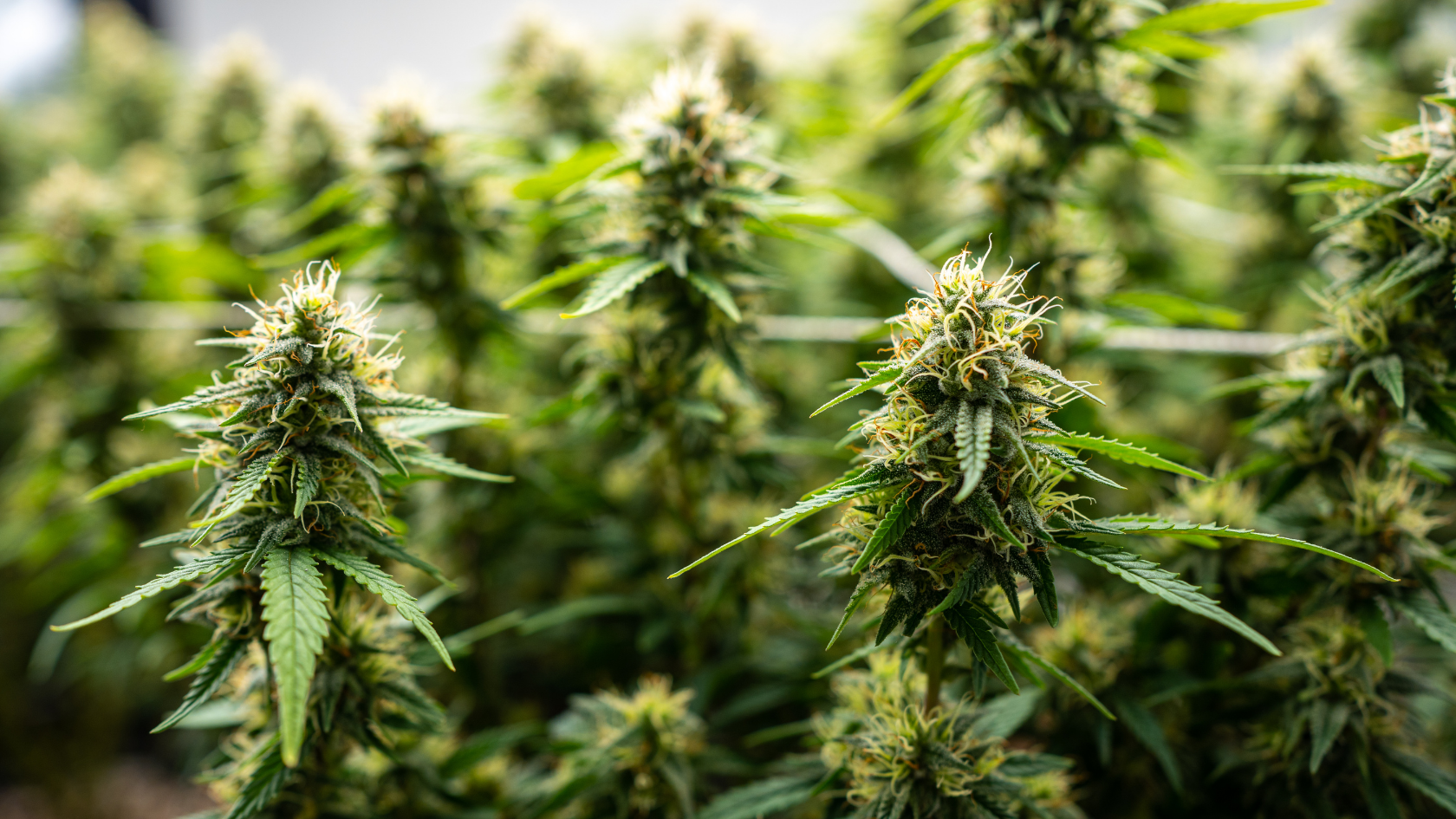
The main reason the cannabis flower feels sticky is because of its trichomes. Trichomes are the little tiny frost-like sparkles that grow on the outside of cannabis flowers or buds. These small powerhouses produce and house hundreds of cannabinoids, including THC and CBD, plus terpenes and flavonoids that shape the plant’s chemical profile, potency, and aroma. Cannabis plants produce trichomes as a natural defense mechanism, helping protect the plant from environmental stressors, pests, and other potential threats.
Three distinct trichome types contribute to the overall stickiness of cannabis buds:
- Bulbous Trichomes: The smallest of the three, bulbous trichomes are barely visible. Bulbous trichomes cover the cannabis plant and are made up of a tiny stalk with a resin-secreting gland at its tip. The bulb-like shape of the resin secretion is responsible for this trichome’s unique “bulbous” name.
- Capitate-sessile Trichomes: Capitate-sessile trichomes are slightly larger than bulbous trichomes and cover more of the cannabis plant. Like the bulbous trichomes, these are made up of a small stalk with a round gland on top, about three times the size of the bulbous trichomes.
- Capitate-stalked Trichomes: Five times the size of capitate-sessile trichomes; capitate-stalked trichomes are the largest and most visible trichomes on the cannabis plant. Capitate-stalked trichomes develop during the flowering stage of growth, have a mushroom-like shape, and hold the highest percentage of cannabinoids.
Resin: Nature’s Real Sticky Situation
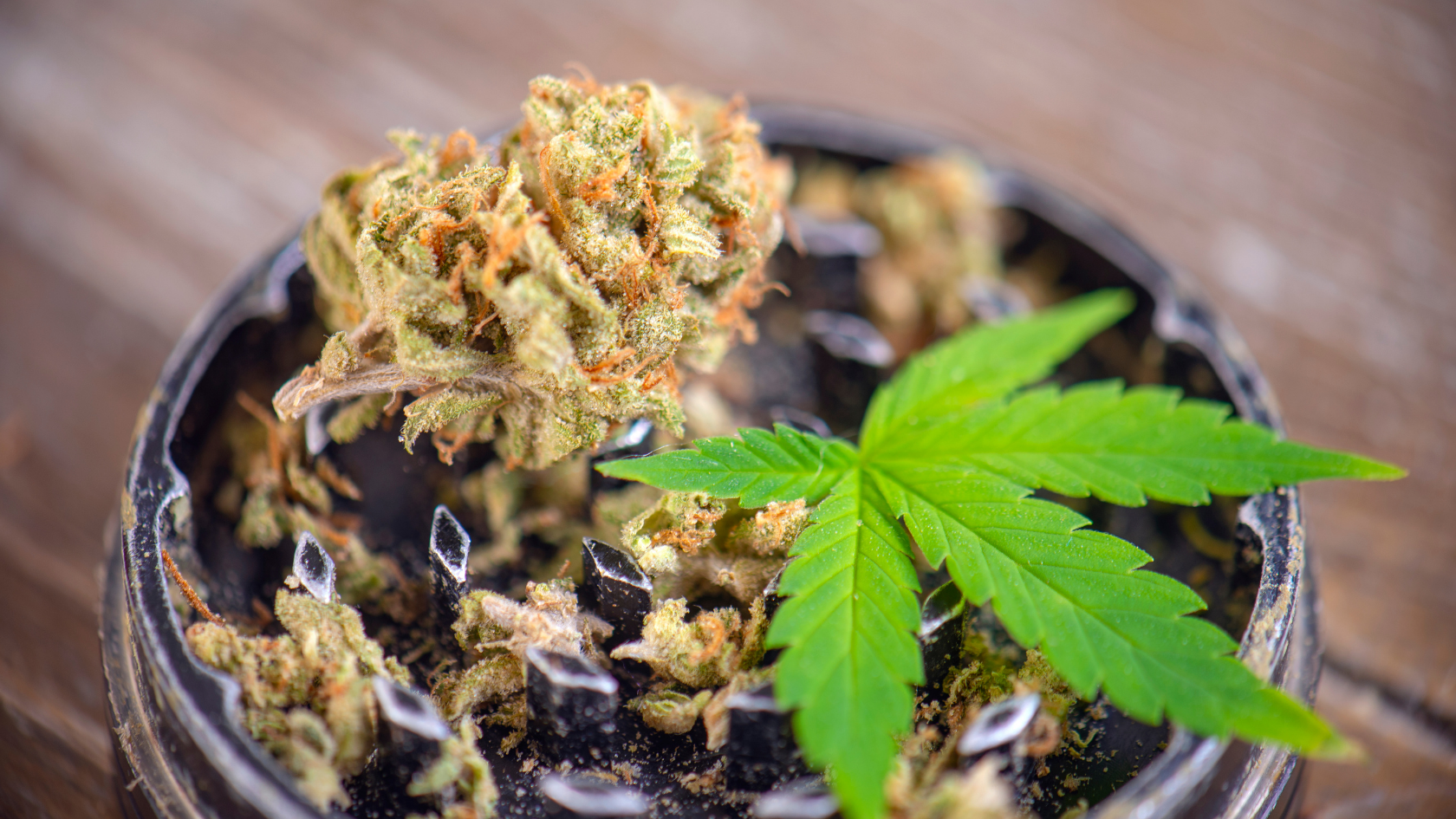
Have you tried breaking apart an extra-resinous nug, only to find your fingers stick to everything you've touched? Your bud isn’t trying to glue your fingers together; it’s simply showing off its interesting defensive properties! When buds are touched, handled, or rubbed, the friction can cause some of that resin to transfer onto your fingers. Resin is produced and stored inside the tiny gland heads of the trichomes. That resin contains cannabinoids and terpenes, and depending on the plant’s genetics and chemical composition, resin can feel tacky like dried honey, oily, and downright stubborn.
So, why does the cannabis plant produce resin? Resin contains compounds that act as a defense mechanism, protecting the plant from UV radiation, damaging winds, and fungal growth while also deterring animals due to their bitter taste and strong aromas. They are, however, a grower's best friend in determining the plant's medicinal properties and potency. More resin doesn’t necessarily mean more potent bud.
Do Terpenes Have Anything to Do With It?
Terpenes are responsible for the cannabis plant's aromas and contribute to its flavors. Depending on the flower’s terpene profiles, you may experience citrus, pine, floral, herbal, or even fuel-like aromas. These compounds are part of the plant's chemical makeup, but they are not the reason cannabis feels sticky.
Does Sticky Mean Better?
Here’s where things can get a little interesting; sticky buds can indicate a healthy coating of resin-producing trichomes, but stickiness alone doesn’t guarantee high quality or potency. Cannabis flower’s overall quality depends on several factors like; cannabinoid content, terpene profiles, freshness, drying process, curing, and proper storage. A sticky nug doesn’t automatically contain more THC or promise a particular experience, and buds that feel dry aren't necessarily bad either. Oftentimes, trichomes can become damaged or detached during handling, affecting the flower’s moisture content or stickiness overall so handle with care!
The Bottom Line
Cannabis gets sticky primarily because of the resin produced by the trichomes. These tiny structures house cannabinoids, terpenes, and other compounds that contribute to the plant’s characteristics while helping protect it in nature. That frosty coating is more than just a pretty face, and it’s a fascinating example of cannabis plant biology hard at work. Remember, sticky doesn't always mean better or stronger weed. Having an understanding of some plant biology can help you appreciate cannabis beyond what we can see, smell, or feel.
Connect with us on Instagram @North_Star_Manufacturing with any questions about your favorite cannabis products!