What are Trichomes, and What Purpose do they serve in Cannabis?
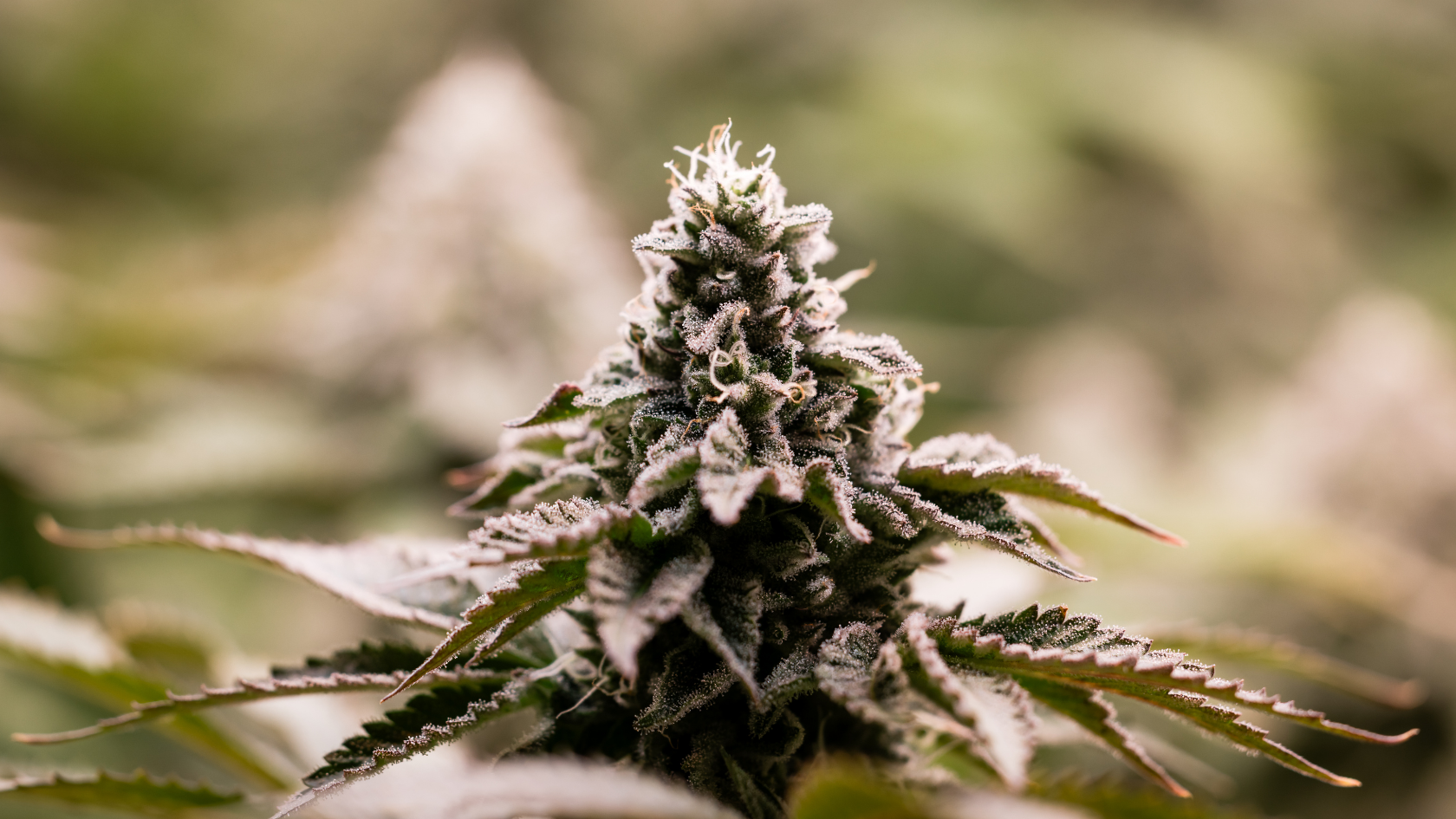
When it comes to cannabis flower, this amazing plant has more than what meets the naked eye. If you are a flower consumer or fascinated by the look of cannabis buds, I'm sure you have wondered or asked yourself about those tiny sparkles or crystals that seem to blanket the outside of the cannabis buds. If you haven't paid attention to them or never noticed, they tend to be shiny, sticky, and sometimes milky or amber in color. These tiny trichomes are what also produce the pungent smells cannabis can give off. In this article, we will discuss what trichomes are, the three primary types of trichomes, and their significance in cannabis.
What are Trichomes?
Trichomes are the little tiny or sparkles of frost that grow on the outside of cannabis flowers or buds. These small powerhouses produce and house hundreds of cannabinoids, terpenes, and flavonoids that contribute to your favorite strain’s potency and aromas. Cannabis plants produce trichomes as a defense mechanism, and when a female plant produces flowers, it becomes vulnerable to its environment. These trichomes serve a dual-purpose function, protecting the plant from damaging winds and fungal growth, while also deterring animals due to their bitter taste and strong aromas. However, they are a grower's best friend in determining the plant's medicinal properties and potency.
What are the Different Types of Trichomes?
While trichomes exist in many different shapes and sizes, three common types appear most often on cannabis plants.
- Bulbous Trichomes: considered the smallest of the three, they appear on the surface of the entire plant. Bulbous trichomes can be as small as 10-15 micrometers, small enough to only comprise a handful of cells, and do not contain a stalk.
- Capitate Sessile Trichomes: are considered medium trichomes and contain both a head and a stalk. These trichomes are more abundant than bulbous trichomes.
- Capitate-stalked Trichomes: Range anywhere between 50-100 micrometers wide, meaning they’re much larger than bulbous and capitate trichomes combined, and can be seen by the naked eye. Their overall structure consists of a stalk composed of epidermal and hypodermic cells that build up to a basal cell, which attaches to a large gland head. This gland head, held together by a waxy cuticle layer, serves as the epicenter for cannabinoid and terpenoid synthesis.
Now that we know the three types of trichomes, let's dive deeper into them. Growers and cannabis connoisseurs can see what stage the trichomes are in by the hue of the flowers, their growth, or by using a magnifying glass. When trichomes are observed during the vegetative phase, cannabis plants are still growing larger and starting to set a structural foundation for trichome development. As cannabis plants transition to the flowering stage, trichomes begin to change and will eventually display various colors. These colors can indicate the plant's flavor profile, potency, and medicinal effects.
Initially, when trichomes are transparent or clear, the plant is at the starting phase. If growers harvest the flowers at this stage, the buds may lack the desired effects and potency, as they have not matured sufficiently. When trichomes appear cloudy, it signals that the plant has reached peak levels of cannabinoids and THC potency, which contributes to a more uplifting and energizing experience - ideal for sativa strains.
Amber-colored trichomes indicate that the plant is beginning to degrade THC, resulting in higher levels of CBN, which is characteristic of indica strains. This is often desired by those looking for a "couch-lock" effect. If trichomes show a mix of cloudy and amber, this suggests the plant is a balanced hybrid strain. Growers can also influence the characteristics of a hybrid strain by extending the flowering time or adjusting lighting to push the strain toward either Hybrid-sativa or Hybrid-Indica, depending on the prominence of the trichomes, length of time, and colors.
Understanding the role of cannabis trichomes is crucial for appreciating the plant's medicinal properties. If you haven't examined a cannabis bud before, consider trying it out next time you have flower. Using a magnifying glass or a jeweler's loupe, you can observe these tiny powerhouses that contribute significantly to the overall experience and effects of the plant.
Stay updated with cannabis news and information by checking back on our North Star Canna website!
.webp)
.png)