What is the Endocannabinoid System and How Does It Work?
Have you ever wondered how your body knows when it's time to sleep, wind down after a stressful day, or tell you that you're full after you've demolished a whole pizza? (no judgement here...) Well, don't worry; in this article, we go over the Endocannabinoid System (ECS), its functions, and why it plays a part in your cannabis consumption.
What is the Endocannabinoid System?
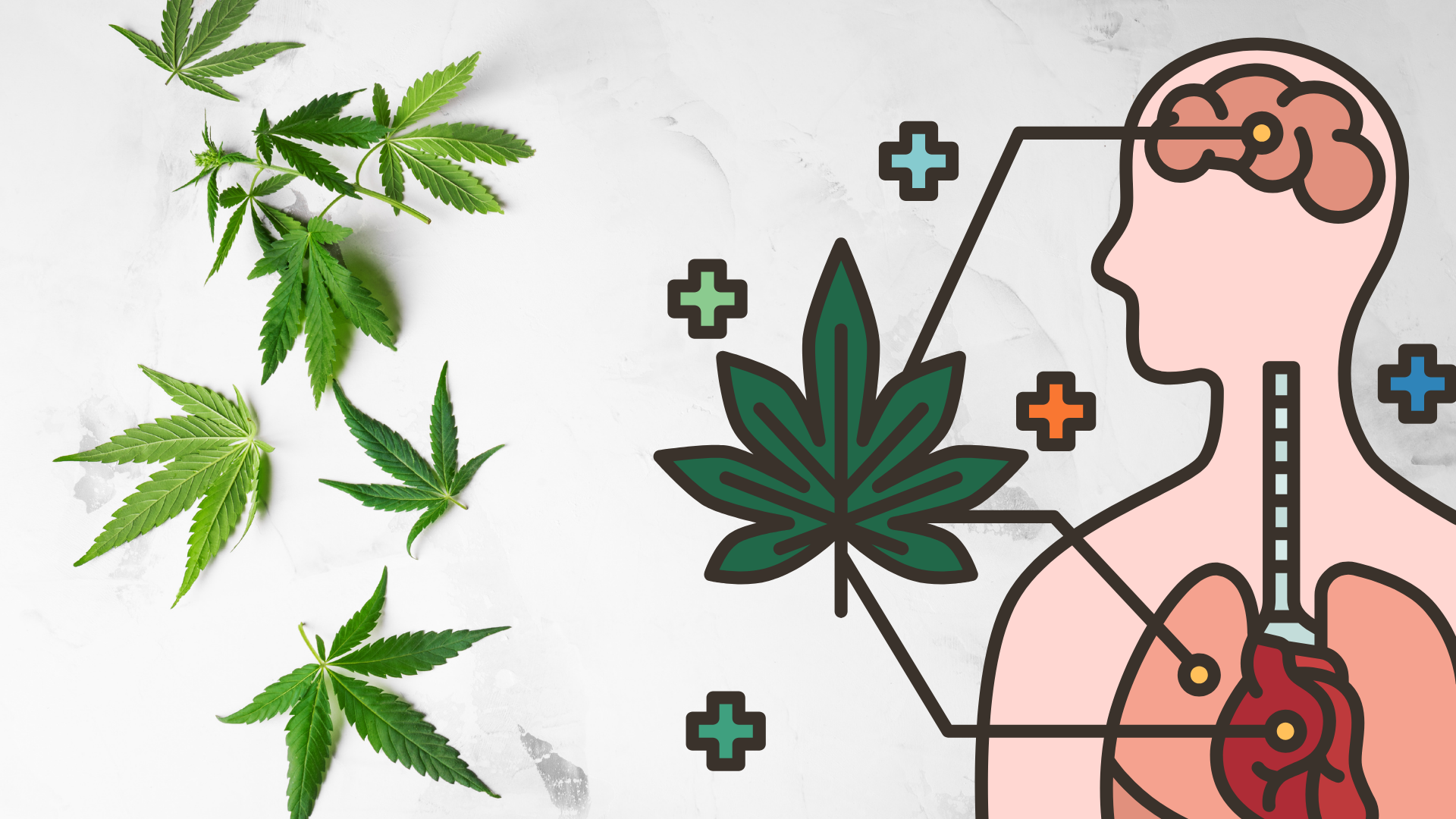
Meet the endocannabinoid system. The system that hardly gets recognition. Think of the ECS as your body's own customer service department. Something feels off? It gets the call. Too much stress? It steps in. Trouble sleeping? It’s on the case! While it doesn't solve every problem, its main goal is to help keep things running smoothly. This system is a communication network found throughout your body that is active even if you do not consume cannabis, and it consists of three core components: Endocannabinoids, Endocannabinoid Receptors, and Enzymes. Let's break them down below:
Endocannabinoids: Also referred to as endogenous cannabinoids, are molecules made by your body that are cannabinoids. Think of them as little text messages your body sends whenever something needs adjusting.
Receptors: These “text messages” need somewhere to go, and that’s where your receptors come in. CB1 receptors are found mostly in the brain and nervous system. They help with your memory, mood, pain, movement, and appetite. CB2 receptors are found mainly in the immune system throughout the body, and are closely linked to inflammation and immune responses. When endocannabinoids bind to these receptors, they flip a switch to help your body return to balance.
Enzymes: Once the message is received, enzymes step in to break down the endocannabinoids so they don’t keep sending the same message. You can think of them as your own little clean-up crew sorting these messages.
Why is the Endocannabinoid System Important?
Your endocannabinoid system (ECS) is basically your body’s built-in service department working behind the scenes to help regulate things like mood, sleep, appetite, pain, and stress. When cannabis enters the picture, compounds like THC and CBD interact with this system in different ways, influencing how your body responds. And just like no two people have the same taste in pizza toppings (pineapple debate aside), everyone’s ECS is unique to them, which is why the same product can affect two people completely differently. It is constantly making small adjustments to help your body respond to changes both inside and outside of your body. It helps prevent your body’s systems from overreacting, like eating that whole pizza, or underreacting, whenever possible. The bottom line is the endocannabinoid system may not get the spotlight like the nervous or digestive system, but it silently works around the clock to help keep your body balanced. It’s one of your body’s greatest multitaskers and is the reason your body can respond to cannabis in the first place. When cannabis is consumed, cannabinoids like THC and CBD interact with the ECS to influence the bodily tasks listed above.
So, the next time your body seamlessly adapts to a stressful day or reminds you that you are full, remember there’s an entire team working behind the scenes just for you, and the endocannabinoid system is one of its MVPs.
Connect with us on Instagram @North_Star_Manufacturing. We’re always happy to help answer any questions you have about cannabis or the Endocannabinoid System.



.png)