How Long Do Cannabis Products Last in Your System?
When it comes to cannabis products and how long they last in your system, there's no one-size-fits-all answer. Different methods of consumption such as smoking, vaping, edibles, tinctures, and concentrates, are absorbed and processed by the body in different ways. This affects both how quickly you feel the effects and how long those effects last. Factors like THC potency, dosage, frequency of use, metabolism, body composition, and even the specific cannabis strain can all influence your experience. Understanding these differences can help you make more informed decisions about cannabis use, whether you're looking for fast-acting relief, longer-lasting effects, or simply want to know what to expect. Below, we'll break down the most common cannabis products, explain their typical onset times, peak effects, and duration, and highlight what factors can affect how long cannabis remains active in your body.
Flower/ Concentrates:
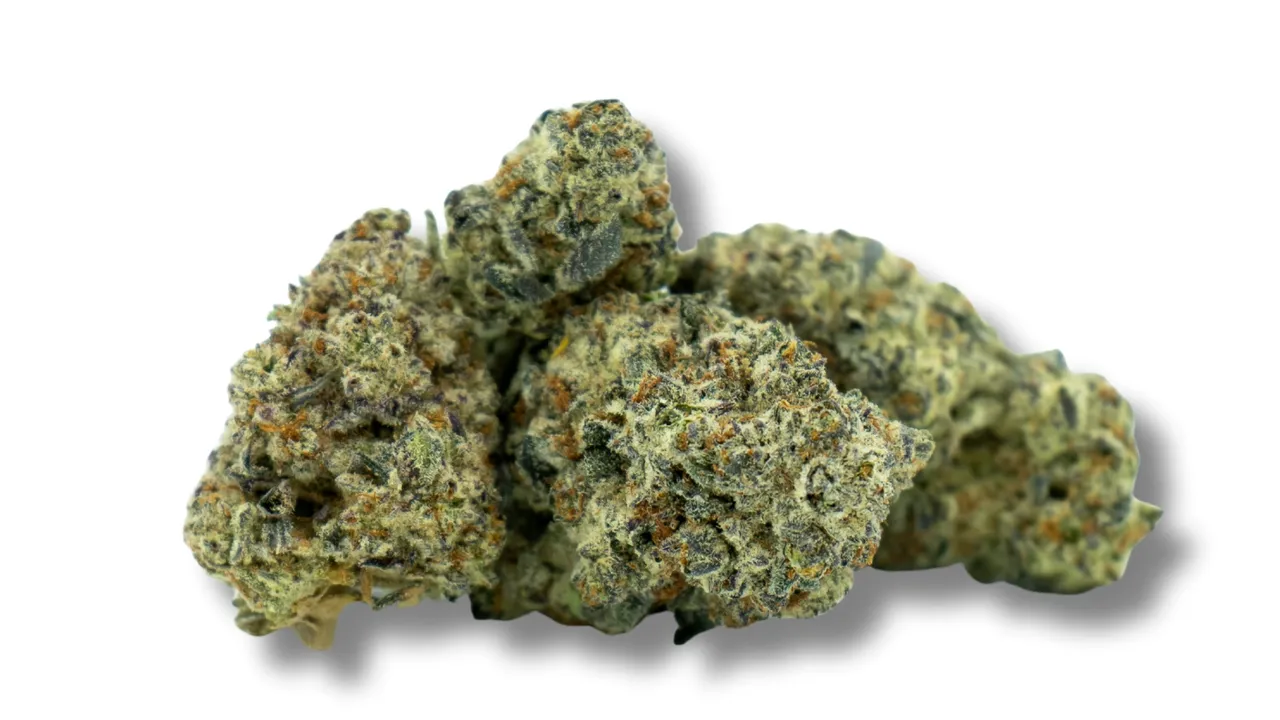
Smoking cannabis flower or vaping concentrates are considered the quickest methods to enter the bloodstream, with the onset times of 1-5 minutes, peak effects around 30 minutes, and a duration of 1-3 hours. Vaping distillate offers precise temperature control, giving consumers more tailored effects than smoking flower. The rapid onset of feeling the effects of smoking and vaping makes it ideal for quick symptom relief, dose control, and experiences where immediate effects are desired.
Edibles:
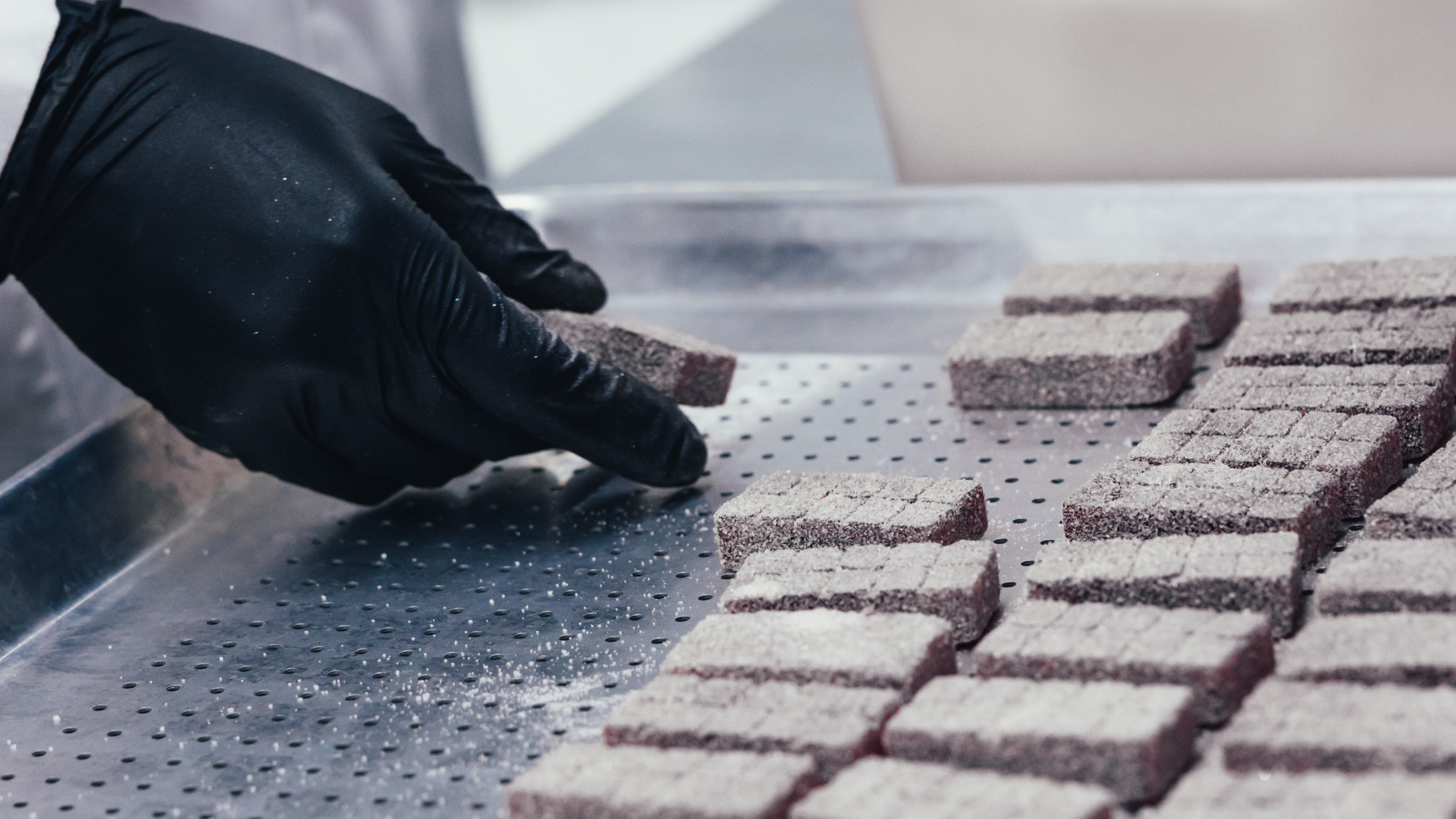
Cannabis edibles are food or drink products infused with THC or CBD. Consuming a cannabis edible takes the longest for the onset of effects and the lasting effects. This is because edibles have to be processed in the liver before entering the bloodstream. It is good for consumers to know some key factors that can affect them individually, which are:
- Metabolism (age, weight, genetic factors, and overall health)
- Meals (fatty foods make for faster absorption, less fatty foods make for slower absorption times)
- Tolerance (delayed onset times, reduced effects, shorter duration times, need for higher dosage)
- Product Potency/Formulation (fat-soluble formulations extend effects)
The onset effects typically take 30-90 minutes, and the psychoactive effects last anywhere from 4 to 8 hours. We do not want our consumers to make the mistake of taking too much too soon, so it is always good to wait at least 2 hours before taking more. Some words of wisdom are to “start slow and go low!”
Tinctures:
Tinctures are taken sublingually (placed under the tongue) and held for around 60-90 seconds, allowing for the cannabinoids to be directly absorbed into the bloodstream. The onset time of using a tincture typically takes 15-45 minutes, with lasting effects of 1-3 hours, thus making them a middleman between smoking/vaping. Tinctures are considered to be the middleman because they offer fast onset times, whereas ingesting an edible has to be processed in the liver before entering the bloodstream.
Topicals:
Topicals are used externally on the skin, do not produce any psychoactive effects, and provide localized relief. The effects of topicals typically take around 10-15 minutes to take effect and last anywhere from 2 to 6 hours. This depends on the product type, location of application, dosage, and individual tolerance.
How Long Does THC Stay in My System?
Cannabis in general can stay in your system long after the psychoactive or therapeutic effects have worn off. THC is a highly fat-soluble compound and boasts a very long half-life (the amount of time it takes the concentration of THC in the body to decrease by half). How long residual THC levels remain in the body depends on an individual’s marijuana use.
THC can be detected in blood sample for up to 12 hours while hair can be up to 90 days. Saliva samples can detect cannabis for up to 24 hours and lastly urine samples can still show THC in your system for up to 30 days. All of these detection and testing methods and their results depends on the dosage and frequency of use, the individuals metabolism rate, gender, level of hydration, body mass index (BMI), overall health, and even genetics.
The onset effects and duration of cannabis can significantly vary from person to person, and are influenced by many factors, including tolerance, frequency of use, method of consumption, and individual metabolism. Understanding these breakdowns and variables is key for both new and seasoned consumers to know so that they can better navigate their cannabis experiences safely, effectively, and with more knowledge.
.png)