Cannabis Rescheduling: What Does it All Mean?
Cannabis has come a long way culturally, but federally, it is still stuck in the past. Currently, cannabis has been classified as a Schedule I substance since 1970 under the Controlled Substances Act (CSA), right alongside heroin, despite being legal for medical or adult use in most states. With the renewed discussions around Donald Trump’s openness to cannabis reform, including the rescheduling, there has been renewed interest in what the federal drug schedules mean and how the changes could impact the cannabis industry, medical research, and its consumers. This article provides an overview of cannabis rescheduling considerations, what the five federal drug schedules are, and how they will impact cannabis consumers.
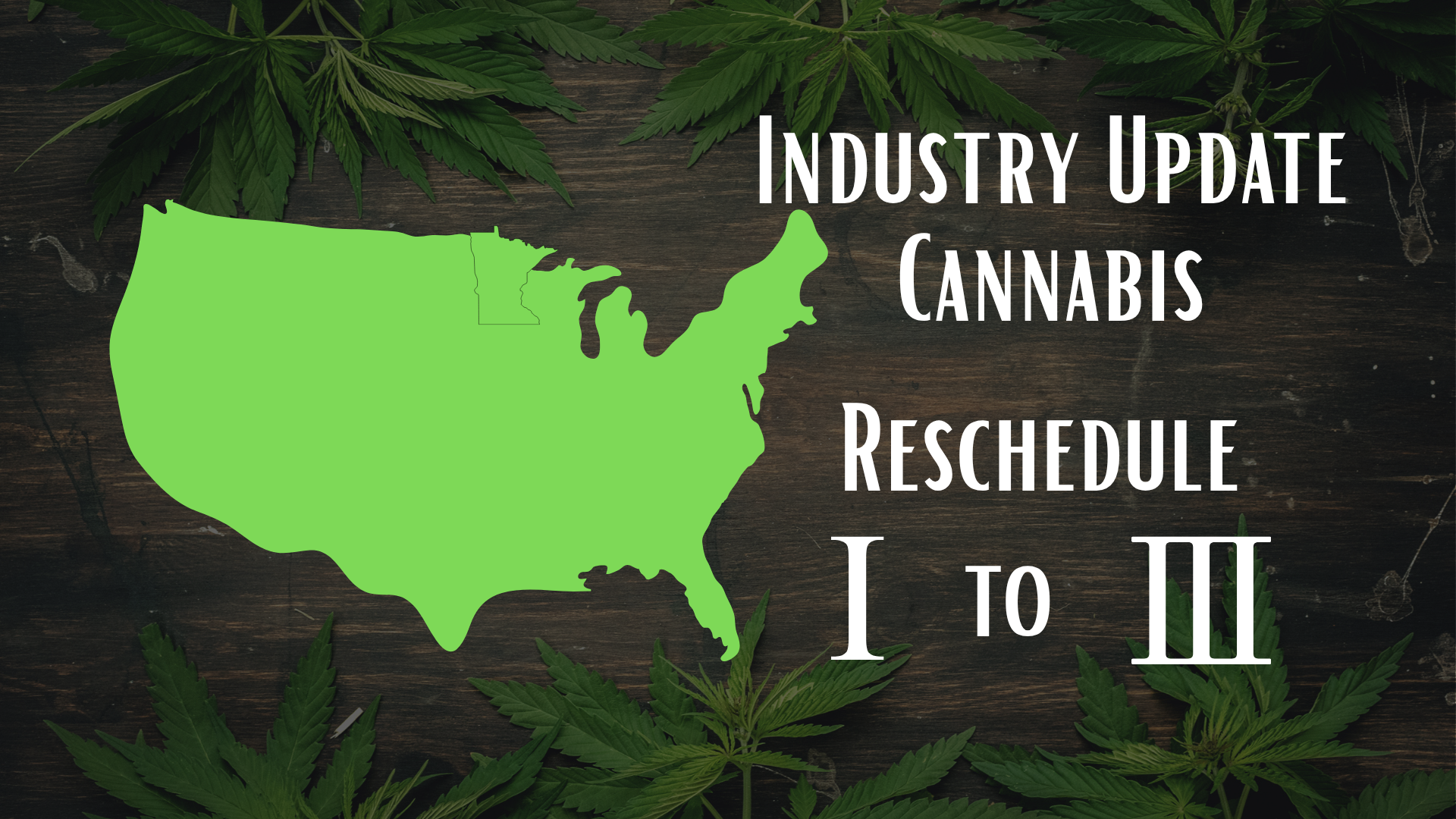
What is the Deal with Cannabis Rescheduling?
Under federal law, drugs are sorted into five schedules based on their medical value and potential for abuse. Cannabis has been listed as a Schedule I since the 1970s, a decision that many argue no longer matches our reality. The federal government has been debating the cannabis policy back nearly a century, beginning with the Marijuanna Tax Act in 1937. Most presidents since then have maintained this classification, though approaches varied from strict enforcement under Regan to reducing federal interference under Obama. Only in recent years have presidents, including Biden and Trump, publicly supported reexamining cannabis’s federal status. Over the years, Donald Trump has expressed a states' rights approach to cannabis, suggesting the federal government shouldn't interfere with what each state decides in their programs for marijuana. Although the possible rescheduling of cannabis wouldn't mean that it would suddenly show up at the gas station down the road, it would mean fewer hoops for researchers, potential tax relief for cannabis businesses, and a step closer to aligning the federal policy with modern cannabis use. Below is the breakdown of the drug schedules simplified.
The Drug Schedules, Broken Down (No Law Degree Required)
Schedule I- The “Absolutely Not” List.
These substances are considered highly addictive with zero accepted medical use. Think heroin, LSD, ecstasy, methaqualone, peyote, and yes, cannabis. This classification severely limits research and keeps cannabis federally illegal.
Schedule II- The “Handle With Extreme Care” Crew
These drugs have medical uses but come with serious potential for misuse and abuse. This schedule includes drugs like cocaine, methamphetamine, and oxycodone. These types of drugs have to be and are prescribed by a doctor.
Schedule III- The “Okay, But Be Chill” Category
Schedule III substances have accepted medical uses and are lower and have less of an abuse risk. Ketamine and certain codeine products live in this “chill” category. Many people advocate and argue that cannabis fits best within this category.
Schedule IV- The “Prescription Regulars”
Lower abuse potential drugs and commonly prescribed drugs like Xanax, Valium, and Ambien sit here currently and will potentially never leave this category.
Schedule V- The “Low Risk, Low Drama” Tier
Schedule V is the least restricted category, often including cough medicines with small amounts of narcotics.
Why Rescheduling Cannabis Would Be a Big Deal
Moving cannabis out of the Schedule I category could unlock more scientific research, ease federal tax penalties, and give the industry room to operate more like... well an actual industry. It wouldn't equal full legalization, but it would be a major policy glow-up!
Cannabis may be mainstream in practice, but federally, it's still playing catch-up. As conversations around rescheduling continue to take place, understanding drug schedules helps cut through all the smoke. One thing is clear for sure, cannabis does not belong in the same category as heroin, and the momentum for change isn't going anywhere. Make sure to check back on our blog for the “highest” cannabis news and articles to come!

.png)